
I recently was asked to send a PDF of available work, and I didn’t have one ready. Big mistake. However, I took time to research how to make a presentable and clear PDF for this purpose, which also can be modified for a gallery proposal. Here is what I learned:
Choose a font. Do not deviate from this font, use it across all pages of the PDF. Changing font, imo, can confuse the information and look a bit messy. However if it is an important part of who you are as an artist embrace it. Just make sure all information is easily read.
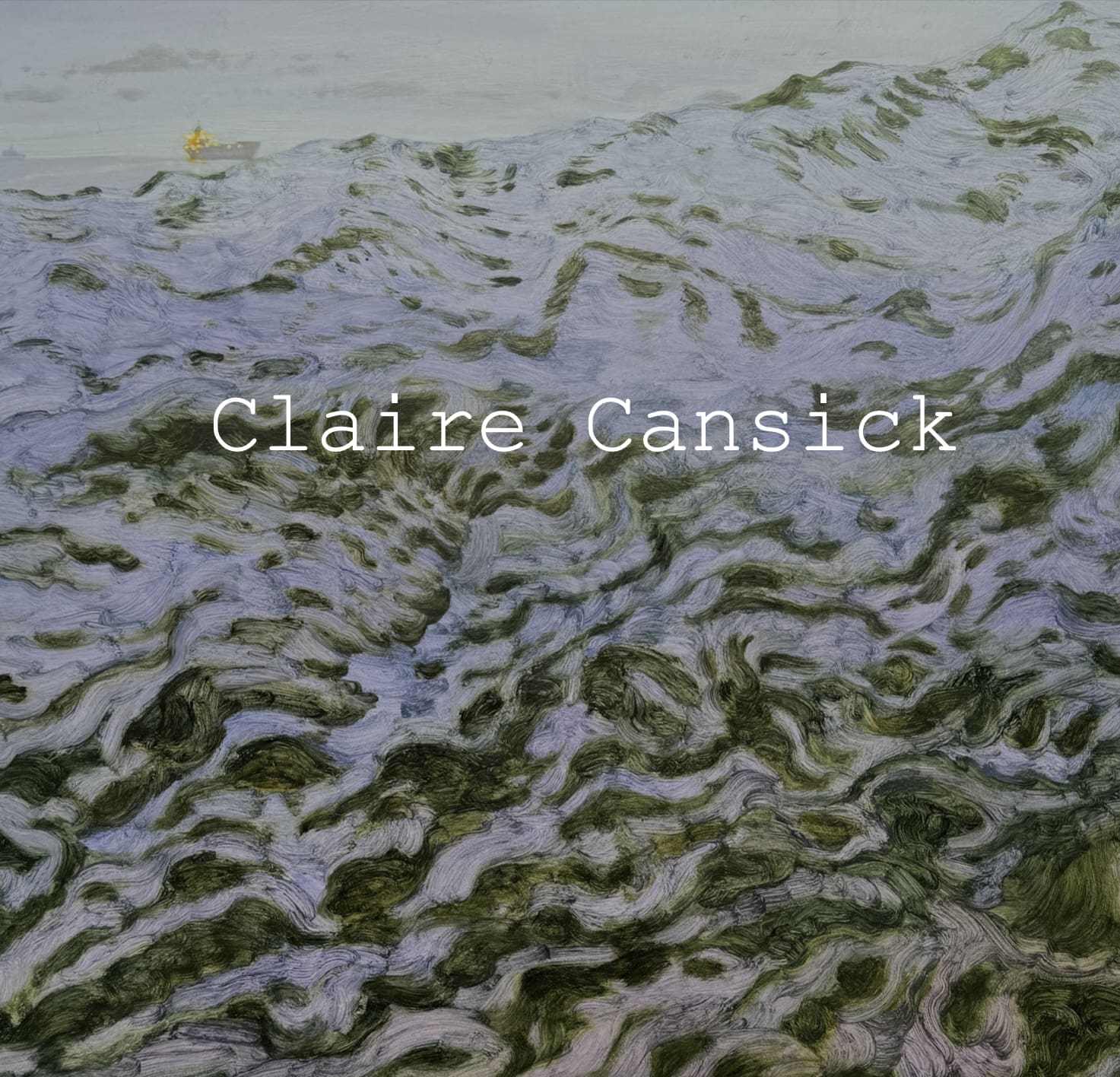
Start with a title page, imagine it is for a book. Use a sharp, in focus detail of a favourite work as a background image and overlay your name in your chosen font. Make sure it is clearly readable and large enough, you might need to make it white, or possibly a colour for it to stand out.
Keep It Relevant: If you are presenting work to a specific project or gallery, do your research, match your work to their style/ethos/title, as much as you can. This may mean making different PDFs for different projects. My advice is to make one great one you can duplicate, and adjust for various projects.
Present only your best work – you know which ones they are, the ones which resonate most. Do not include everything you have ever made, or irrelevant work. Try to make the work flow in some kind of unity, not darting from one style or subject to another. Start with your best piece, the one you’re most proud of.
One painting per page. Yes, one. Allow it to breathe and be considered in its own right without noise from other works. Add underneath the title, medium, size, date in your chosen font. Pick the size for this text, and stick to it throughout. Add a maximum of 10 works in this way, and no less that 5.
Short Bio 100 words max, no less than 60.
Include, full name, Year of birth (optional) qualifications (not your GCSE Biology grade D, keep it relevant)
Write about who and where you are, and what you paint about. Be yourself.
Short Statement on the same page as Bio. 250 words max no less than 100.
Spell out why you paint what you paint, how you make it, any references, inspiration, how it relates to you. Write in your own voice, it is unique. Do not fall down the rabbit hole of art speak, garbling unintelligible drivel will appeal to no one. Be authentic, even if that means a bizarre and quirky weirdo. They want to know who you are as an artist and what you work represents. If you absolutely must use ChatGPT take this hint- it won’t sound like you, it won’t be you, and people reading it will be able to tell. Write it yourself first, work on it, go away and come back to it. As a very last resort, ask AI to tighten it up, keeping your original voice.
Add your CV in full. Include any awards, exhibitions you are proud of, solo or group, magazines and books you are in. Interviews, artist groups, collections. If you list is very long, be selective and state as much ie. Selected Group Exhibitions. They can go under a subtitle of the year, no need to list the exact dates, with one show per line.
Keep the descriptions of these concise. Gallery Name, City, Country is as much as you need.
Keep it clean, neat concise tidy.
And yes, use the same font in the same colour (black) and size.
Add any press, with links or without, up to you.
Double check the whole thing for spelling mistakes. Autocorrect is not infallible and sometimes replaces words incorrectly. Ask someone else to proof read it to check grammar, spelling, and if it all makes sense.
Duplicate the PDF and add prices. You will need to do this, as some projects will require prices, some will not. Rename them so you know which is which.
Ensure the PDF file uses your name. ie Claire Cansick_Paintings 2025_Priced.pdf as this will help the gallery identify it as yours and help them remember your name.
Submit. Good luck!